Vi flyttar från butik till nätet - så funkar det framåt
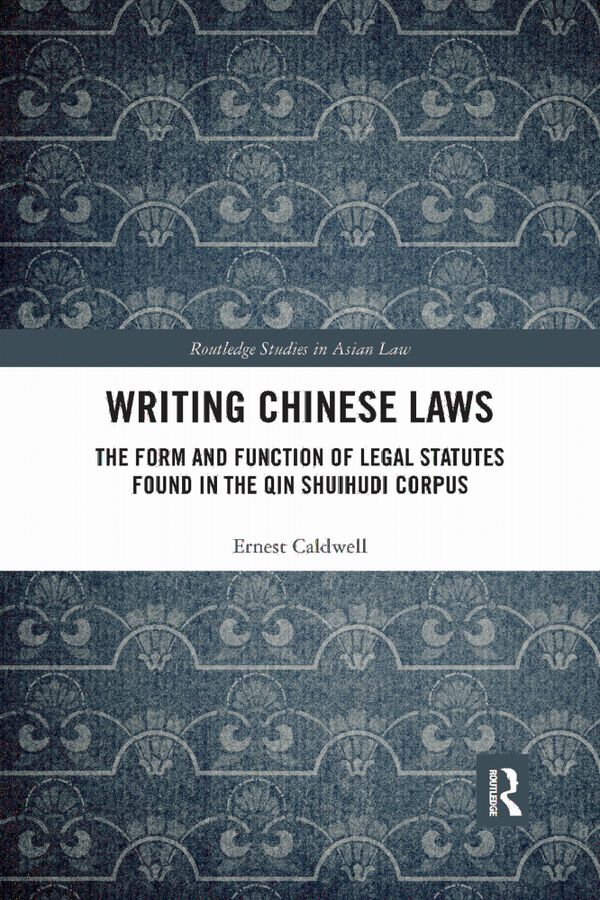
Writing Chinese Laws | 1:a upplagan
- Danskt band, Engelska, 2021
- Författare: Ernest Caldwell
- Betyg:
502
kr
Skickas inom 1-3 vardagar
Butikslager
Onlinelager
I lager hos leverantör
$event.detail.name === 'store-selector' ? isOpen = true : ''"
@close-drawer.window="() => $event.detail.name === 'store-selector' ? isOpen = false : ''"
@keydown.escape.window="isOpen = false"
x-init="$watch('isOpen', value => {
if (value) {
$refs.dialog.showModal();
document.body.style.overflow = 'hidden';
//emit onDrawerOpen event
$dispatch('drawer-opened', {
name: 'store-selector'
});
} else {
setTimeout(() => {
$refs.dialog.showModal();
$refs.dialog.close();
}, 300);
document.body.style.overflow = '';
$dispatch('drawer-closed', {
name: 'store-selector'
});
}
});"
class="h-full"
>
Beskrivning
The legal institutions of the short-lived Qin dynasty (221–207 BCE) have been vilified by history as harsh and draconian. Yet ironically, many Qin institutional features, such as written statutory law, were readily adopted by subsequent dynasties as the primary means for maintaining administrative and social control.
This book utilizes both traditional texts and archeologically excavated materials to explore how these influential Qin legal institutions developed. First, it investigates the socio-political conditions which led to the production of law in written form. It then goes on to consider how the intended function of written law influenced the linguistic composition of legal statutes, as well as their physical construction. Using a function and form approach, it specifically analyses the Shuihudi legal corpus. However, unlike many previous studies of Chinese legal manuscripts, which have focused on codicological issues of transcription and translation, this book considers the linguistic aspects of these manuscripts and thus their importance for understanding the development of early Chinese legal thought.
Writing Chinese Laws will be useful to students and scholars of Chinese Studies, as well as Asian law and history more generally.
This book utilizes both traditional texts and archeologically excavated materials to explore how these influential Qin legal institutions developed. First, it investigates the socio-political conditions which led to the production of law in written form. It then goes on to consider how the intended function of written law influenced the linguistic composition of legal statutes, as well as their physical construction. Using a function and form approach, it specifically analyses the Shuihudi legal corpus. However, unlike many previous studies of Chinese legal manuscripts, which have focused on codicological issues of transcription and translation, this book considers the linguistic aspects of these manuscripts and thus their importance for understanding the development of early Chinese legal thought.
Writing Chinese Laws will be useful to students and scholars of Chinese Studies, as well as Asian law and history more generally.
Om denna bok
Writing Chinese Laws av Ernest Caldwell är en Danskt band bok med 212 sidor på Engelska. Detta är den 1:a upplagan som utgavs 2021.
Spara pengar – köp begagnad från Campusbokhandeln
Köp Writing Chinese Laws begagnad från Campusbokhandeln och spara upp till 25% jämfört med nypris. Du kan bevaka den här boken så får du ett mail så fort vi får in den i lager som begagnad.
Genom att köpa & sälja begagnat sänker du kostnaden för studier både för dig och nästa student samtidigt som du gör nytta för klimatet.
Produktinformation
Kategori:
Juridik
Bandtyp:
Danskt band
Språk:
Engelska
ISBN:
9780367445225
Upplaga:
1
Utgiven:
2021-03-31
Förlag:
Okänt
Sidantal:
212
$event.detail.name === 'primary-menu' ? isOpen = true : ''"
@close-drawer.window="() => $event.detail.name === 'primary-menu' ? isOpen = false : ''"
@keydown.escape.window="isOpen = false"
x-init="$watch('isOpen', value => {
if (value) {
$refs.dialog.showModal();
document.body.style.overflow = 'hidden';
//emit onDrawerOpen event
$dispatch('drawer-opened', {
name: 'primary-menu'
});
} else {
setTimeout(() => {
$refs.dialog.showModal();
$refs.dialog.close();
}, 300);
document.body.style.overflow = '';
$dispatch('drawer-closed', {
name: 'primary-menu'
});
}
});"
class="h-full"
>
$event.detail.name === 'mobile-search' ? isOpen = true : ''"
@close-drawer.window="() => $event.detail.name === 'mobile-search' ? isOpen = false : ''"
@keydown.escape.window="isOpen = false"
x-init="$watch('isOpen', value => {
if (value) {
$refs.dialog.showModal();
document.body.style.overflow = 'hidden';
//emit onDrawerOpen event
$dispatch('drawer-opened', {
name: 'mobile-search'
});
} else {
setTimeout(() => {
$refs.dialog.showModal();
$refs.dialog.close();
}, 300);
document.body.style.overflow = '';
$dispatch('drawer-closed', {
name: 'mobile-search'
});
}
});"
class="h-full"
>
$event.detail.name === 'mini-cart' ? isOpen = true : ''"
@close-drawer.window="() => $event.detail.name === 'mini-cart' ? isOpen = false : ''"
@keydown.escape.window="isOpen = false"
x-init="$watch('isOpen', value => {
if (value) {
$refs.dialog.showModal();
document.body.style.overflow = 'hidden';
//emit onDrawerOpen event
$dispatch('drawer-opened', {
name: 'mini-cart'
});
} else {
setTimeout(() => {
$refs.dialog.showModal();
$refs.dialog.close();
}, 300);
document.body.style.overflow = '';
$dispatch('drawer-closed', {
name: 'mini-cart'
});
}
});"
class="h-full"
>
$event.detail.name === 'add-to-cart' ? isOpen = true : ''"
@close-drawer.window="() => $event.detail.name === 'add-to-cart' ? isOpen = false : ''"
@keydown.escape.window="isOpen = false"
x-init="$watch('isOpen', value => {
if (value) {
$refs.dialog.showModal();
document.body.style.overflow = 'hidden';
//emit onDrawerOpen event
$dispatch('drawer-opened', {
name: 'add-to-cart'
});
} else {
setTimeout(() => {
$refs.dialog.showModal();
$refs.dialog.close();
}, 300);
document.body.style.overflow = '';
$dispatch('drawer-closed', {
name: 'add-to-cart'
});
}
});"
class="h-full"
>