Vi flyttar från butik till nätet - så funkar det framåt
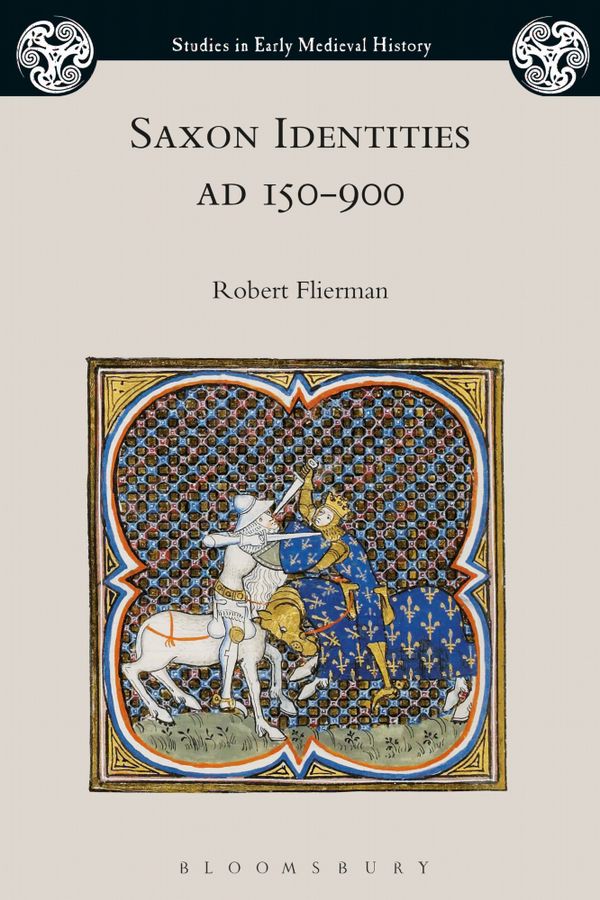
Saxon Identities, AD 150–900
- Danskt band, Engelska, 2019
- Författare: Robert Flierman
- Betyg:
445
kr
Skickas inom 1-3 vardagar
Onlinelager
I lager hos leverantör
Vill du sälja den här boken?
Sälj den här bokenFler utgåvor

Beskrivning
This study is the first up-to-date comprehensive analysis of Continental Saxon identity in antiquity and the early middle ages. Building on recent scholarship on barbarian ethnicity, this study emphasises not just the constructed and open-ended nature of Saxon identity, but also the crucial role played by texts as instruments and resources of identity-formation. This book traces this process of identity-formation over the course of eight centuries, from its earliest beginnings in Roman ethnography to its reinvention in the monasteries and bishoprics of ninth-century Saxony.
Though the Saxons were mentioned as early as AD 150, they left no written evidence of their own before c. 840. Thus, for the first seven centuries, we can only look at the Saxons through the eyes of their Roman enemies, Merovingian neighbours and Carolingian conquerors. Such external perspectives do not yield objective descriptions of a people, but rather reflect an ongoing discourse on Saxon identity, in which outside authors described who they imagined, wanted or feared the Saxons to be: dangerous pirates, noble savages, bestial pagans or faithful subjects. Significantly, these outside views deeply influenced how ninth-century Saxons eventually came to think about themselves, using Roman and Frankish texts to reinvent the Saxons as a noble and Christian people.
Though the Saxons were mentioned as early as AD 150, they left no written evidence of their own before c. 840. Thus, for the first seven centuries, we can only look at the Saxons through the eyes of their Roman enemies, Merovingian neighbours and Carolingian conquerors. Such external perspectives do not yield objective descriptions of a people, but rather reflect an ongoing discourse on Saxon identity, in which outside authors described who they imagined, wanted or feared the Saxons to be: dangerous pirates, noble savages, bestial pagans or faithful subjects. Significantly, these outside views deeply influenced how ninth-century Saxons eventually came to think about themselves, using Roman and Frankish texts to reinvent the Saxons as a noble and Christian people.
Om denna bok
Saxon Identities, AD 150–900 av Robert Flierman är en Danskt band bok med 288 sidor på Engelska. Den utgavs 2019 av Bloomsbury Publishing PLC.
Spara pengar – köp begagnad från Campusbokhandeln
Köp Saxon Identities, AD 150–900 begagnad från Campusbokhandeln och spara upp till 25% jämfört med nypris. Du kan bevaka den här boken så får du ett mail så fort vi får in den i lager som begagnad.
Genom att köpa & sälja begagnat sänker du kostnaden för studier både för dig och nästa student samtidigt som du gör nytta för klimatet.
Produktinformation
Kategori:
Okänd
Bandtyp:
Danskt band
Språk:
Engelska
ISBN:
9781350098923
Utgiven:
2019-01-24
Förlag:
Bloomsbury Publishing PLC
Sidantal:
288