Vi flyttar från butik till nätet - så funkar det framåt
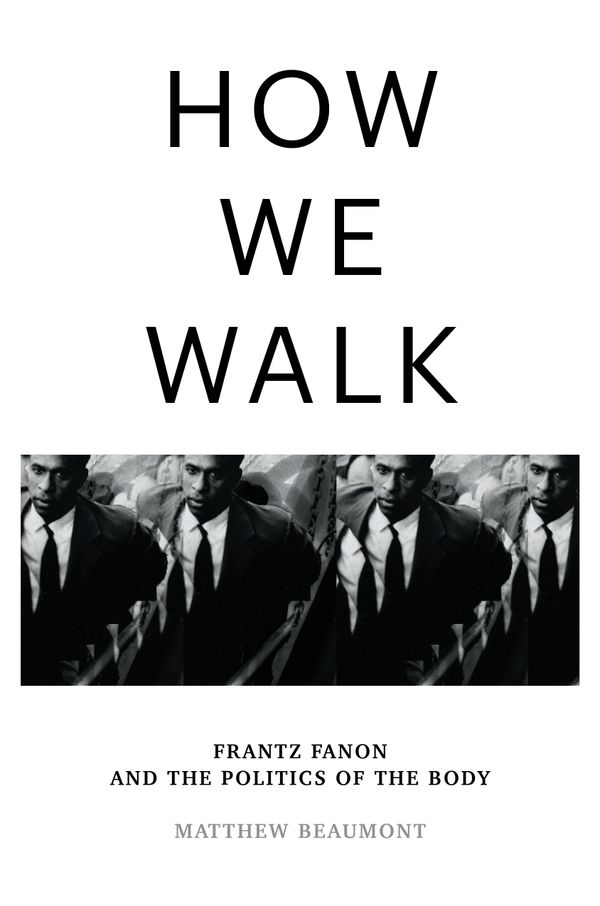
How We Walk | 0:e upplagan
- Danskt band, Engelska, 2024
- Författare: Matthew Beaumont
- Betyg:
195
kr
Skickas inom 1-3 vardagar
Butikslager
Onlinelager
I lager hos leverantör
$event.detail.name === 'store-selector' ? isOpen = true : ''"
@close-drawer.window="() => $event.detail.name === 'store-selector' ? isOpen = false : ''"
@keydown.escape.window="isOpen = false"
x-init="$watch('isOpen', value => {
if (value) {
$refs.dialog.showModal();
document.body.style.overflow = 'hidden';
//emit onDrawerOpen event
$dispatch('drawer-opened', {
name: 'store-selector'
});
} else {
setTimeout(() => {
$refs.dialog.showModal();
$refs.dialog.close();
}, 300);
document.body.style.overflow = '';
$dispatch('drawer-closed', {
name: 'store-selector'
});
}
});"
class="h-full"
>
Beskrivning
You can tell a lot about people by how they walk. Matthew Beaumont argues that our standing, walking body holds the social traumas of history and its racialized inequalities. Our posture and gait reflect our social and political experiences as we navigate the city under capitalism. Through a series of dialogues with thinkers and walkers, his book explores the relationship between freedom and the human body
How We Walk foregrounds the work of Frantz Fanon, psychiatrist and leading thinker of liberation, who was one of the first people to think about the politics of 'walking while black'. It also introduces us to the renegade psychoanalyst Wilhelm Reich, who wrote that one could discern the truth about a person through their posture and gait. For Marxist philosopher Ernst Bloch, the ability to walk upright and with ease is a sign of personal and social freedom.
Through these excursions, Beaumont reimagines the canonical literature on walking and presents a new interpretation of the impact of class and race on our physical and political mobility, raising important questions about the politics of the body.
How We Walk foregrounds the work of Frantz Fanon, psychiatrist and leading thinker of liberation, who was one of the first people to think about the politics of 'walking while black'. It also introduces us to the renegade psychoanalyst Wilhelm Reich, who wrote that one could discern the truth about a person through their posture and gait. For Marxist philosopher Ernst Bloch, the ability to walk upright and with ease is a sign of personal and social freedom.
Through these excursions, Beaumont reimagines the canonical literature on walking and presents a new interpretation of the impact of class and race on our physical and political mobility, raising important questions about the politics of the body.
Om denna bok
How We Walk av Matthew Beaumont är en Danskt band bok med 224 sidor på Engelska. Den utgavs 2024 av Verso Books.
Spara pengar – köp begagnad från Campusbokhandeln
Köp How We Walk begagnad från Campusbokhandeln och spara upp till 25% jämfört med nypris. Du kan bevaka den här boken så får du ett mail så fort vi får in den i lager som begagnad.
Genom att köpa & sälja begagnat sänker du kostnaden för studier både för dig och nästa student samtidigt som du gör nytta för klimatet.
Produktinformation
Kategori:
Filosofi & idéhistoria
Bandtyp:
Danskt band
Språk:
Engelska
ISBN:
9781804290071
Upplaga:
0
Utgiven:
2024-03-05
Förlag:
Verso Books
Sidantal:
224
$event.detail.name === 'primary-menu' ? isOpen = true : ''"
@close-drawer.window="() => $event.detail.name === 'primary-menu' ? isOpen = false : ''"
@keydown.escape.window="isOpen = false"
x-init="$watch('isOpen', value => {
if (value) {
$refs.dialog.showModal();
document.body.style.overflow = 'hidden';
//emit onDrawerOpen event
$dispatch('drawer-opened', {
name: 'primary-menu'
});
} else {
setTimeout(() => {
$refs.dialog.showModal();
$refs.dialog.close();
}, 300);
document.body.style.overflow = '';
$dispatch('drawer-closed', {
name: 'primary-menu'
});
}
});"
class="h-full"
>
$event.detail.name === 'mobile-search' ? isOpen = true : ''"
@close-drawer.window="() => $event.detail.name === 'mobile-search' ? isOpen = false : ''"
@keydown.escape.window="isOpen = false"
x-init="$watch('isOpen', value => {
if (value) {
$refs.dialog.showModal();
document.body.style.overflow = 'hidden';
//emit onDrawerOpen event
$dispatch('drawer-opened', {
name: 'mobile-search'
});
} else {
setTimeout(() => {
$refs.dialog.showModal();
$refs.dialog.close();
}, 300);
document.body.style.overflow = '';
$dispatch('drawer-closed', {
name: 'mobile-search'
});
}
});"
class="h-full"
>
$event.detail.name === 'mini-cart' ? isOpen = true : ''"
@close-drawer.window="() => $event.detail.name === 'mini-cart' ? isOpen = false : ''"
@keydown.escape.window="isOpen = false"
x-init="$watch('isOpen', value => {
if (value) {
$refs.dialog.showModal();
document.body.style.overflow = 'hidden';
//emit onDrawerOpen event
$dispatch('drawer-opened', {
name: 'mini-cart'
});
} else {
setTimeout(() => {
$refs.dialog.showModal();
$refs.dialog.close();
}, 300);
document.body.style.overflow = '';
$dispatch('drawer-closed', {
name: 'mini-cart'
});
}
});"
class="h-full"
>
$event.detail.name === 'add-to-cart' ? isOpen = true : ''"
@close-drawer.window="() => $event.detail.name === 'add-to-cart' ? isOpen = false : ''"
@keydown.escape.window="isOpen = false"
x-init="$watch('isOpen', value => {
if (value) {
$refs.dialog.showModal();
document.body.style.overflow = 'hidden';
//emit onDrawerOpen event
$dispatch('drawer-opened', {
name: 'add-to-cart'
});
} else {
setTimeout(() => {
$refs.dialog.showModal();
$refs.dialog.close();
}, 300);
document.body.style.overflow = '';
$dispatch('drawer-closed', {
name: 'add-to-cart'
});
}
});"
class="h-full"
>