Vi flyttar från butik till nätet - så funkar det framåt
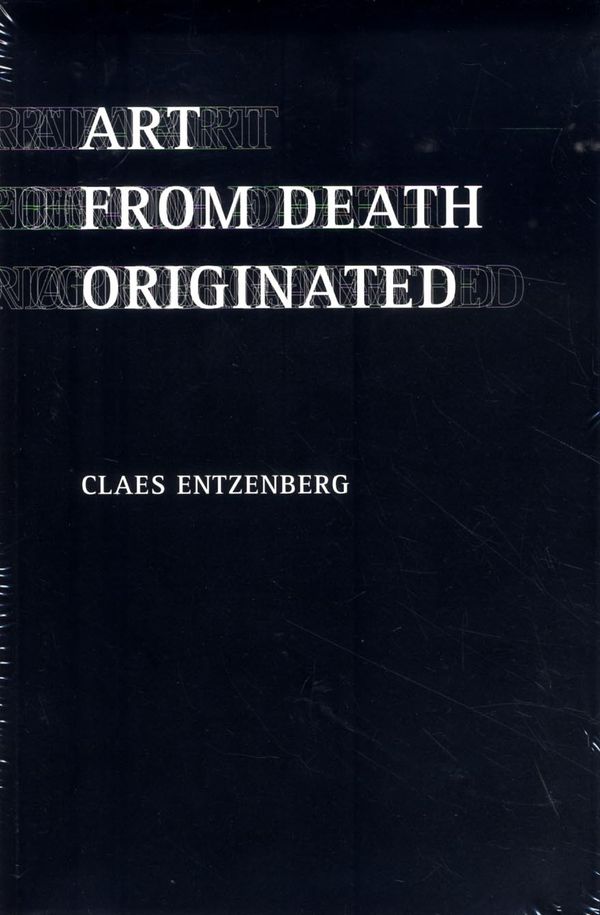
Art from death originated | 1:a upplagan
- Danskt band, Engelska, 2013
- Författare: Claes Entzenberg
- Betyg:
191
kr
Skickas inom 1-3 vardagar
Onlinelager
I lager hos leverantör
Vill du sälja den här boken?
Sälj den här bokenBeskrivning
Every artwork is the first and last of its kind. Nothing happens the same way twice. But if this is the case, then what limits can we impose on our understanding of the historical development of art? The poles in our conceptual schema of the development of art are analogous to human life, which is placed between two poles of non-existence. This schema is used in our understanding of art, interpretation, and metaphor. Being a complex part in the intersection between life and death, this becomes transposed from experiences to things, reified objects that can make the analysis of these entities cognitively respectable. To transfer them back to experience is to see them as part of our cultural understanding: the movement from death to life and back again is grounded in the dynamic tension between the creative/deviant and conventional/established sense-making determinations.
"The effort to free up our thinking about art, and in particular our habit of thinking of artworks as material objects, should be central to any serious consideration of the relation between culture and society today. Claes Entzenberg makes a bold foray right into the heart of this issue, tackling the central notion of reification in connection with the concepts of life and death, and the idea of art as a necessary intermediary. I would urge anyone interested in approaches to aesthetics which encourage us to think outside todays sometimes suspiciously orderly boxes to pick up this book and enjoy the intellectual journey."
Elisabeth Schellekens Appointed Chair Professor of Aesthetics at Uppsala University
Om denna bok
Art from death originated av Claes Entzenberg är en Danskt band bok med 102 sidor på Engelska. Detta är den 1:a upplagan som utgavs 2013 av Art and Theory.
Spara pengar – köp begagnad från Campusbokhandeln
Köp Art from death originated begagnad från Campusbokhandeln och spara upp till 25% jämfört med nypris. Du kan bevaka den här boken så får du ett mail så fort vi får in den i lager som begagnad.
Genom att köpa & sälja begagnat sänker du kostnaden för studier både för dig och nästa student samtidigt som du gör nytta för klimatet.
Produktinformation
Kategori:
Filosofi & idéhistoria
Bandtyp:
Danskt band
Språk:
Engelska
ISBN:
9789197998543
Upplaga:
1
Utgiven:
2013-05-03
Förlag:
Art and Theory
Sidantal:
102